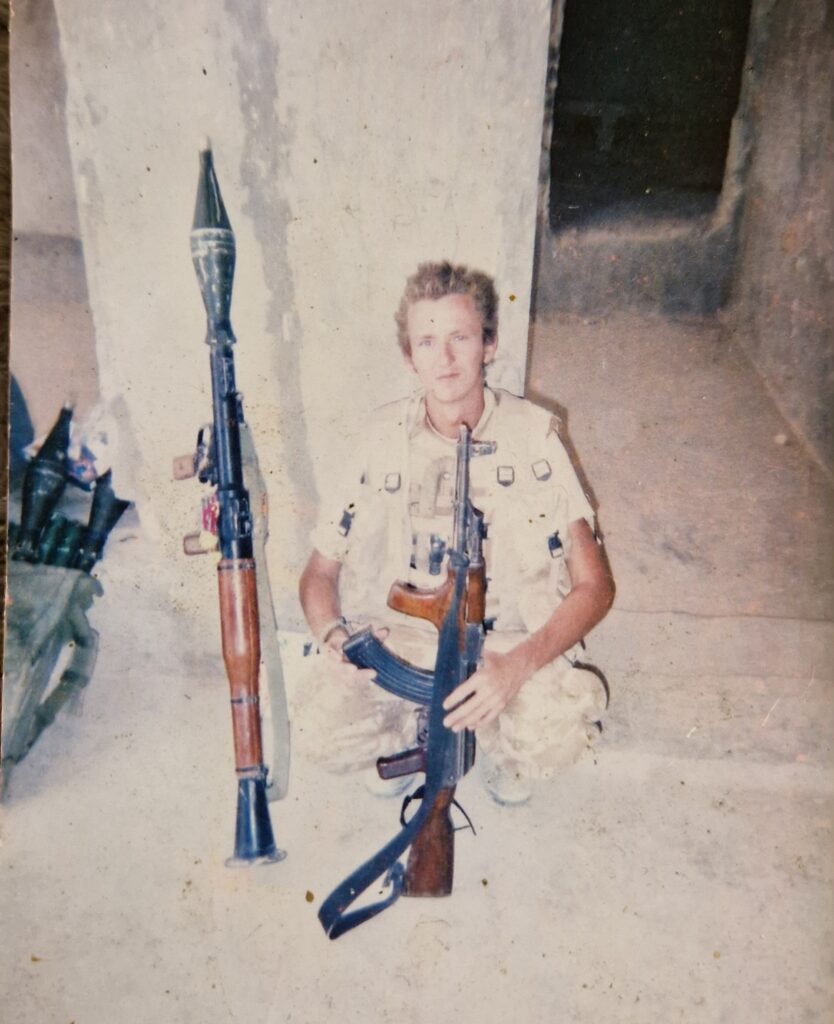
When Ian “Bigg Fozz” Foster left the British Army, he expected the transition to be hard but not like this.
Years of service, including deployment to Afghanistan, had taken a toll. A serious back injury left him in constant pain. Post-traumatic stress disorder (PTSD) followed him home. Nights were restless, days were heavy, and the structure of military life disappeared almost overnight.
“I was on a lot of painkillers,” he recalled. “I didn’t feel like myself. it wasn’t living, I was existing.”
Life after service
After returning from Afghanistan, soldiers were given a week to decompress. For Fozz, it was a blur of beers and conversations with friends. But once he was home, the real challenge began.
“Soldiers don’t talk about mental health,” he said. “It’s career-ending. You learn to hide it until it becomes undeniable.”
Following his medical discharge, he spent long stretches alone. The pain never stopped, and the medication made him feel detached. “It was a miserable experience,” he said. “The medication wasn’t fixing anything. It was just creating new problems.”
Searching for calm
Despite experiences with cannabis several years prior, Fozz didn’t initially consider this as an option. Over time, curiosity and frustration pushed him to learn more.
When the UK government reclassified certain cannabis-based medicines in 2018, it opened a legal path for patients to access treatment under medical supervision. For Fozz, it offered a new chance.
“It didn’t fix everything, but it gave me back control,” he said. “I could sleep, eat and think clearly again. It didn’t change who I was. It helped me find myself.”
Building a voice for others
With stability came purpose. Fozz realised that many others were still in the dark. Veterans like him didn’t know where to turn or were too afraid to ask for help.
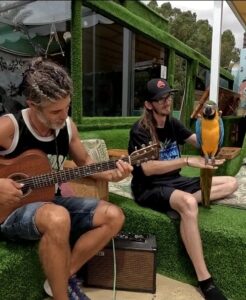
So he began to speak up. Under the name Bigg Fozz, he created videos on TikTok, YouTube and Instagram explaining how medical cannabis works in the UK and how people can access it safely.
“There was no one out there explaining it,” he said. “People were being threatened or discriminated against for trying to get help. I thought, if I can stop that for even one person, then I’ve done my job.”
His videos reached thousands. His inbox filled with messages from people thanking him for giving them hope. Many were veterans who had finally found relief or patients who felt seen for the first time.
“I get a real kick out of helping people,” he said. “Not for money, just knowing I’ve made a difference. When someone messages to say, ‘You changed my life,’ that’s everything.”
The stigma that still stands
Even with progress since 2018, stigma remains one of the biggest barriers. Many veterans still see cannabis as illegal or addictive, shaped by years of misinformation. Others fear being judged or losing their housing or benefits.
“The law might have changed, but attitudes haven’t,” Fozz said. “People still see cannabis as a street drug, not a medicine. Veterans are scared to talk about it because they don’t want to be judged or labelled. That needs to change.”
PTSD affects thousands of veterans across the UK. Many also struggle with depression, anxiety and suicidal thoughts. Research from King’s Centre for Military Health Research found that around one in ten veterans who served in Iraq or Afghanistan meet the criteria for PTSD.¹
“I’ve lost mates to suicide,” Fozz said. “And when you’ve seen that happen enough times, you realise something has to change. People need more options, more education and more compassion.”
What needs to change
Fozz believes that education is the key. Not just for patients, but for doctors, policymakers and the wider public. He wants veterans to be included in national conversations about access, affordability and stigma.
“Veterans are trained to keep going, to push through,” he said. “But when you’re home and you can’t sleep or eat, that strength turns into silence. And silence kills.”
He believes that medical cannabis should be more affordable and accessible for veterans with PTSD and service-related injuries. Charities, healthcare providers and government agencies all have a role to play.
“Veterans shouldn’t have to fight for their medication,” he said. “We’ve already done enough fighting.”
Hope and advocacy
Today, Fozz has become a voice for others. He speaks openly about recovery and the reality of living with PTSD. His message is not about a miracle cure but about the power of being heard and having options available for everyone.
“Cannabis isn’t for everyone, and it’s not perfect,” he said. “But for me, it changed everything. It gave me peace, patience and hope. And that’s what a lot of veterans are missing, hope.”
Listen and learn
🎧 Hear the full story
Listen to From Soldier to Advocate on the Wellford Podcast, where Ian “Bigg Fozz” Foster shares his journey and why he continues to fight for better understanding.
💬 Follow Bigg Fozz
TikTok @biggfozz_1
Instagram @biggfozz_verified
References
¹ King’s Centre for Military Health Research (2023). Mental Health and Wellbeing of UK Veterans Report. King’s College London.