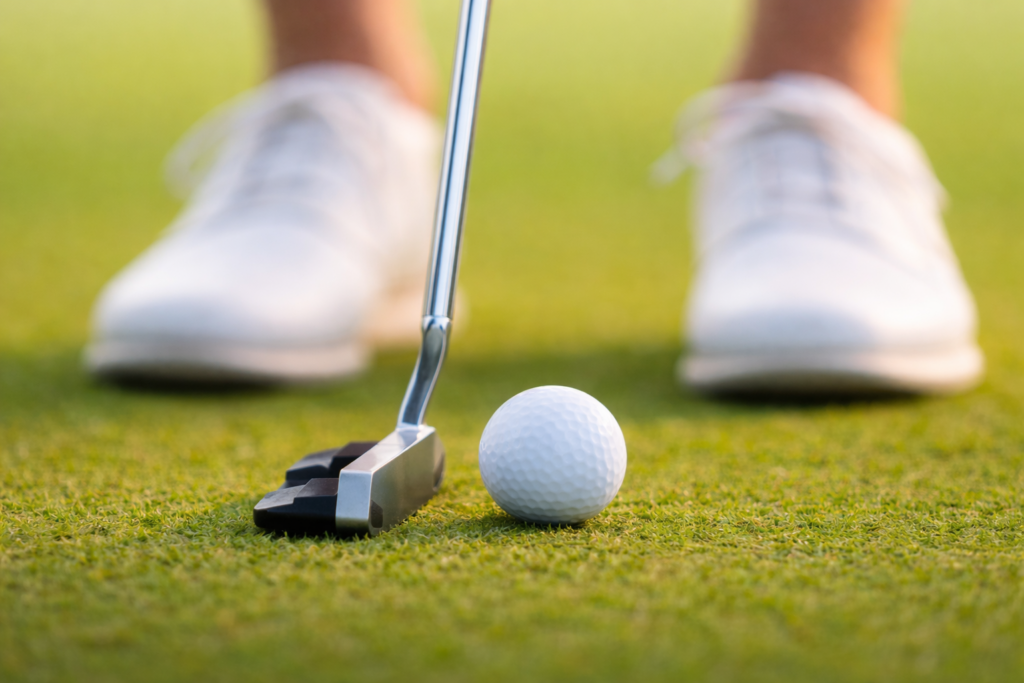
A calm grip. A steady swing. The confidence to sink a three-foot putt.
Every golfer knows the truth. Golf is not just a game of technique. It is a full-body, full-mind sport. Mobility, recovery, focus, and emotional control all matter just as much as your handicap.
That is why more golfers, from weekend players to competitive amateurs, are exploring CBD and, where appropriate, medical cannabis as part of a broader wellbeing routine. Wider discussion around cannabis, coordination, and performance has also begun to surface within the golf world itself [1].
These are not quick fixes. Instead, they interact with something fundamental inside the body: the endocannabinoid system, often called the ECS. This internal regulatory system plays an important role in helping the body maintain balance across movement, mood, stress, and recovery processes [2–4].
At Wellford, we are exploring what the ECS is, why golfers are paying attention to it, and how CBD and medical cannabis may support comfort, focus, and overall wellbeing both on and off the course.
Golf places unique demands on both the body and the mind, even for fit and experienced players.
Common stresses include:
- Repetitive rotational strain on the spine, hips, and shoulders
- Long periods of walking, often on uneven ground
- Fine motor control under pressure
- Sustained mental focus across a four-hour round
- Disrupted sleep before early tee times or competition days
Over time, these demands can contribute to:
- Stiffness and soreness
- Restless or poor-quality sleep
- Difficulty staying calm after a poor shot or challenging hole
This is where the endocannabinoid system becomes relevant.
The Endocannabinoid System: A Quiet Ally for Golfers
The endocannabinoid system, or ECS, is a network of receptors, enzymes, and signalling molecules found throughout the body. It is active in the brain, muscles, joints, immune system, connective tissues, and reproductive organs. Its core role is to help maintain balance, also known as homeostasis [2–4].
The ECS plays a role in regulating:
- Sleep and wake cycles
- Stress response and emotional regulation
- Inflammatory processes
- Muscle recovery and discomfort perception
- Focus and cognitive flexibility
- Reproductive functions
When golfers describe feeling more settled, looser the next day, or more mentally composed, they are often describing experiences linked to ECS activity.
The body naturally produces cannabinoids called endocannabinoids. Plants also produce cannabinoids, known as phytocannabinoids. The cannabis plant contains over 97 recognised phytocannabinoids, including CBD, THC, CBN, and THCV, many of which can interact with the ECS [5,6].
CBD and certain medical cannabis products interact with this system by supporting its regulatory role rather than overriding it.
How CBD May Support Golfers
CBD, short for cannabidiol, is non-intoxicating and widely used for general wellbeing. Individual experiences vary. However, many golfers explore CBD as part of a routine focused on recovery, focus, and sleep support [7].
Post-Round Muscle and Joint Comfort
Repeated swings and long rounds can leave the back, hips, shoulders, and wrists feeling tight.
CBD oils, capsules, and topical products are commonly used as part of recovery routines to support the body’s natural settling processes after physical exertion [7].
A Calmer, More Focused Mindset
Golf is as mental as it is physical.
Some players report:
- Feeling less reactive to mistakes
- Staying more composed under pressure
- Being better able to stay present shot by shot
when CBD forms part of their wellbeing routine [7].
Better Sleep Before Early Tee Times
Quality sleep is one of the biggest performance advantages in golf.
CBD is commonly used in evening routines to support [7]:
- Relaxation
- Wind-down before rest
- More consistent sleep patterns
Support Without Intoxication
CBD does not produce a “high”. This makes it an option for golfers who want to explore potential wellbeing support without impairment [7].

Where Medical Cannabis Fits In
Medical cannabis, also known as cannabis-based products for medicinal use (CBPMs), can only be prescribed by specialist clinicians in the UK [9,10].
These treatments may be considered for people with diagnosed health conditions where other options have been explored. For some golfers, this may include conditions affecting:
- Mobility
- Chronic discomfort
- Mental health
- Overall quality of life
Any decision to pursue medical cannabis must be made with a qualified healthcare professional who understands the patient’s medical history, lifestyle, and goals. Medical cannabis is not suitable for everyone and should always be clinically supervised [9,10].
Why Golfers Are Paying Attention to the ECS
Golf rewards consistency, patience, and physical ease. These are all areas influenced by systems regulated by the ECS.
When this system is supported, golfers managing pain, stiffness, or stress often describe [2–6]:
- Feeling more fluid through their swing
- Recovering more comfortably after long rounds
- Staying mentally clearer during play
- Sleeping more deeply before early starts
- Managing frustration and pressure more effectively
CBD and medical cannabis do not replace good fundamentals such as stretching, hydration, strength training, and mental practice. They may, however, complement a well-rounded wellbeing approach.
Safety, Legality, and Golf Competition Considerations
A few important points for golfers to keep in mind [9,10]:
- CBD is legally available over the counter in the UK from regulated providers, with products that are lab-tested and quality-controlled
- THC is only available via legal medical prescription, with appropriate clinical oversight
Golfers competing in organised events should also be aware that [8,11]:
- CBD is permitted in sport
- THC remains prohibited under anti-doping regulations
A Thoughtful Approach to Golfing Wellbeing
Golf is a lifelong sport. Staying comfortable, focused, and mentally balanced can make a meaningful difference, not only to your score but to your enjoyment of the game.
By understanding the endocannabinoid system and exploring CBD or medical cannabis responsibly, golfers can make informed choices about their wellbeing both on and off the course.
It might even help your game.
But we will let your scorecard decide that.
Read the paper: How does marijuana affect your golf game? An investigation | Golf News and Tour Information | Golf Digest
References
- Golf Digest (2022) How does marijuana affect your golf game? An investigation. Golf Digest.
- National Institutes of Health (NIH) (n.d.) The endocannabinoid system: essential and mysterious. National Center for Biotechnology Information.
- British Journal of Pharmacology (2010) ‘Endocannabinoids and their receptors in health and disease’, British Journal of Pharmacology, 160(3), pp. 419–436.
- Harvard Health Publishing (2020) The endocannabinoid system explained. Harvard Medical School.
- Di Marzo, V. and Piscitelli, F. (2015) ‘The endocannabinoid system and its modulation by phytocannabinoids’, Neurotherapeutics, 12(4), pp. 692–698.
- Pacher, P., Bátkai, S. and Kunos, G. (2006) ‘The endocannabinoid system as an emerging target of pharmacotherapy’, Pharmacological Reviews, 58(3), pp. 389–462.
- Shannon, S., Lewis, N., Lee, H. and Hughes, S. (2019) ‘Cannabidiol in anxiety and sleep: a large case series’, Frontiers in Neurology, 10, Article 114.
- Huestis, M.A., Mazzoni, I. and Rabin, O. (2011) ‘Cannabis in sport: anti-doping perspective’, Sports Medicine, 41(11), pp. 949–966.
- NHS (2023) Medical cannabis (cannabis-based products for medicinal use). National Health Service.
- UK Government (2023) Cannabis-based products for medicinal use: guidance. GOV.UK.
- World Anti-Doping Agency (WADA) (2023) Cannabidiol (CBD) in sport. World Anti-Doping Agency.